Mould in Perth Homes: Causes, Safe Removal and Prevention
By the CleaningCrews Perth team · Updated 3 Nov 2026 · 3 min read
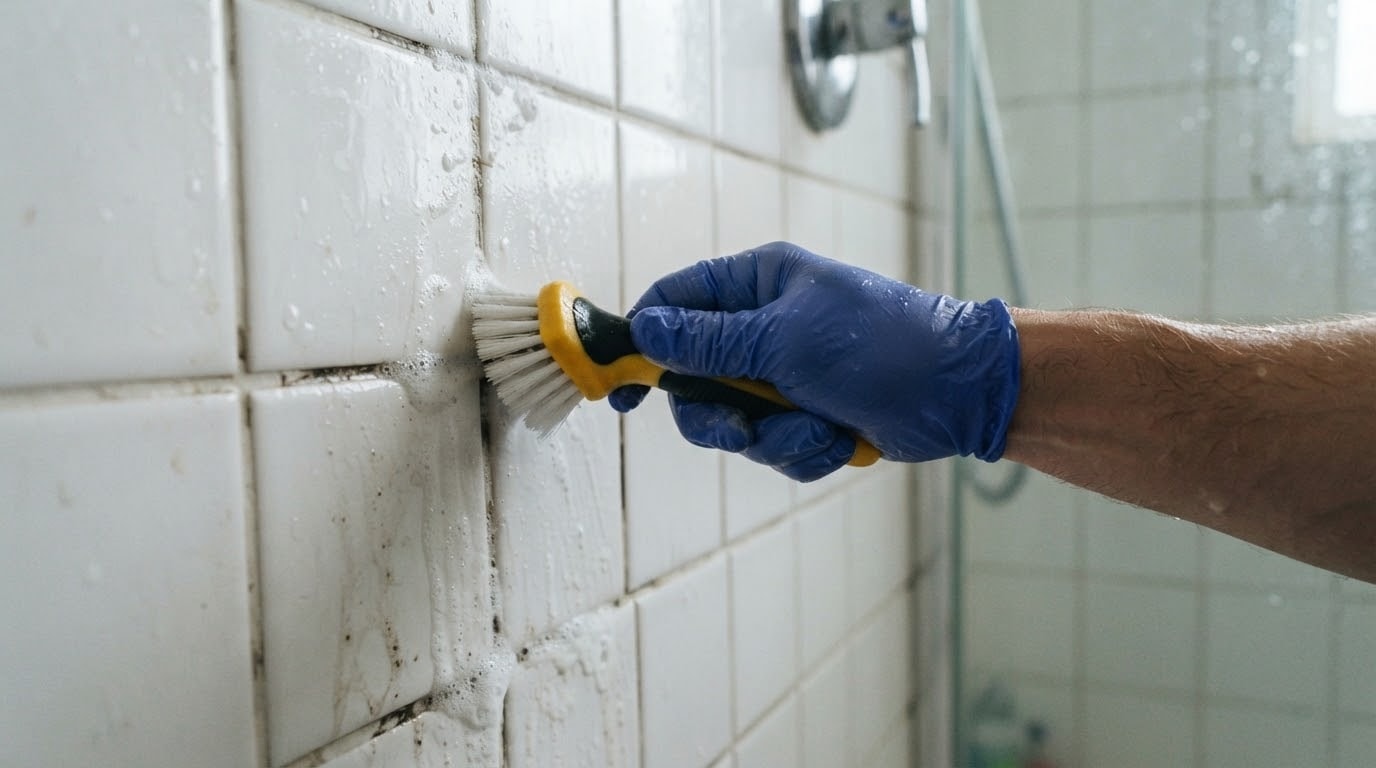
Mould grows where moisture and poor airflow meet. For light mould on hard surfaces, wipe with white vinegar or a mould cleaner, scrub gently and dry the area thoroughly. Fix the cause by improving ventilation and reducing moisture. Large or recurring mould needs professional help.
Perth has dry summers, but winter brings cool, damp nights, and many homes close up tight against the cold. That mix of moisture and still air is exactly what mould likes. Bathrooms, bedroom corners, window frames and behind furniture are the usual places it starts.
Common causes
- Steam from showers and cooking with no extra ventilation.
- Condensation on windows that drips onto sills and curtains.
- Drying washing indoors without airflow.
- Furniture pushed hard against external walls.
- Small leaks from roofs, pipes or window seals.
How to remove light mould safely
- Open windows and wear gloves, safety glasses and a mask.
- Vacuum loose spores with a HEPA vacuum if you have one, rather than brushing them into the air.
- Spray white vinegar or a mould cleaner onto hard surfaces and leave it for an hour.
- Scrub with a brush, then wipe with a damp cloth.
- Dry the area completely with a towel, and run a fan or open windows.
- Wash affected fabrics at the hottest temperature the care label allows.
How to prevent it coming back
- Run the bathroom fan during and for 20 minutes after showers.
- Wipe down shower screens and tiles, and squeegee glass.
- Open windows for 10 to 15 minutes a day to move the air.
- Keep furniture a hand's width from walls.
- Fix leaks as soon as you spot them.
- Clean grout and silicone regularly before mould takes hold.
When to call a professional
If mould covers more than a small patch, returns quickly after cleaning, smells musty with no visible source, or affects someone with asthma or allergies, get help. A professional can treat the surface and help you find the cause. Renters should tell their landlord or agent in writing, because persistent mould can point to a repair issue.
Our crews treat mould on grout and silicone as part of a deep clean or an end of lease clean.
Frequently asked questions
It can irritate the airways, skin and eyes, especially for people with asthma or allergies. Clean it promptly and improve ventilation.
White vinegar works on light mould on hard surfaces. For porous materials or large areas, you need professional treatment.
The most common cause is moisture that is not being removed, such as steam with no fan or condensation. Fix the moisture source, not just the stain.
It depends on the cause. Mould from a leak or building fault is usually the landlord's responsibility, while mould from a lack of ventilation may involve the tenant. Report it in writing and keep records.
Mould in grout or silicone?
Our deep clean treats it properly. Get a price online in about a minute.
Get my priceKeep reading
- Perth guidesHow to Remove Limescale and Hard Water Stains in Perth HomesRead the guide →
- Rental and bondGetting Your Bond Back in Western Australia: Fair Wear and Tear ExplainedRead the guide →
- Home cleaning tipsHow Often Should You Deep Clean Your Home? A Simple ScheduleRead the guide →
Free cleaning checklists and resources
Printable PDFs for homes, rentals, offices and cleaners. No sign-up needed.